
I provide training for new managers. My focus is on developing leaders who show high degrees of Emotional Intelligence. But my views and my ideas on how leaders should operate are nothing new. They are based on thousands of years of philosophical development.
There are four aspects to Emotional Intelligence: Understanding Yourself, Controlling Yourself, Understanding Others, and Influencing Others. Although these are taught as modern leadership concepts, they have their roots in philosophical teachings throughout the ages.
The Ancient Greeks
The Greeks were the Fathers of Philosophy and they provided a lot of the framework for how we structure our societies.
Socrates emphasised the need to develop a form of self-knowledge. He exhorted people to “Know thyself,” and, by this, he meant we should develop an awareness of one’s desires, fears, and motivations. He believed that understanding oneself was essential for living well and interacting justly with others.
Aristotle argued that virtue means experiencing emotions:
* at the right time,
* toward the right people,
* for the right reasons,
* and to the proper degree.
For Aristotle, wisdom included emotional discernment rather than suppressing feelings. These fundamentals require self-awareness, awareness of others and of the situation. It speaks to the need for control and balance.
Stoicism
I have posted before about Stoicism. It was an approach to life that had, at its core, a focus on virtue as the key to a happy life. Stoics prioritise control over one’s thoughts and actions rather than on external circumstances, and accept what cannot be changed. Within this belief was the acceptance that none of us are perfect. In fact, they said that the pursuit of perfection led to unhappiness
They taught that we should embrace imperfection, accept change and strive to improve. These are all central tenets of Emotional Intelligence.
Eastern Philosophy
But it is perhaps looking East where we see these ideas strongest.
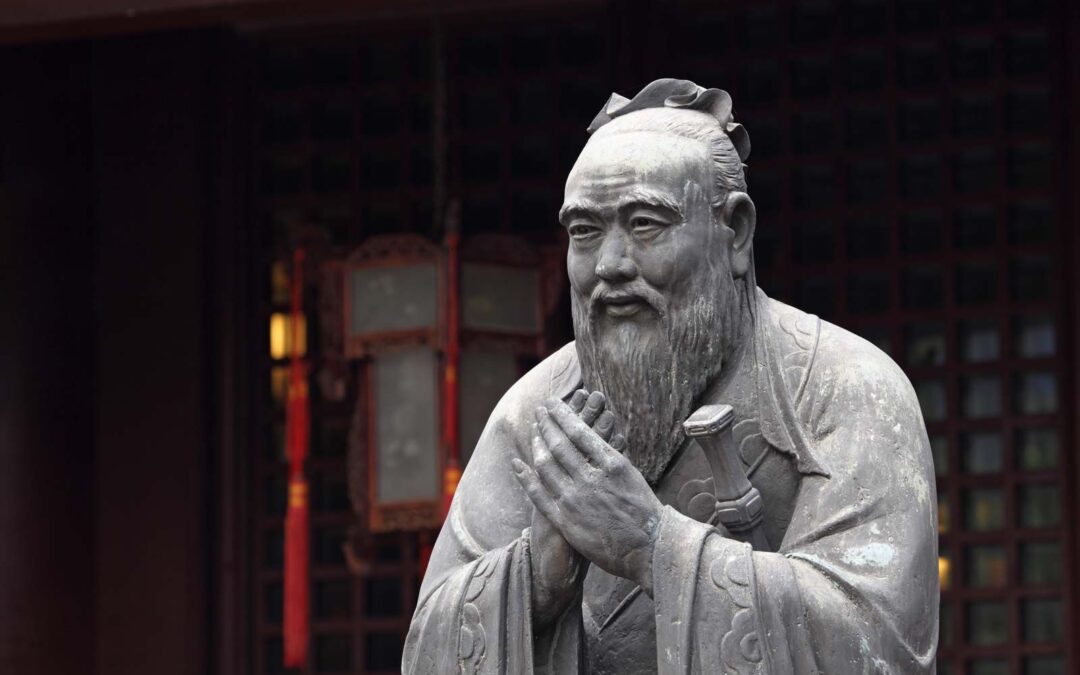
Confucius’s teachings developed the concepts of ren (humaneness) and li (proper conduct). His teachings stressed empathy and awareness of how one’s actions affect others. Within this viewpoint, we see Emotional intelligence as being deeply social and relational rather than individual.
Buddhist teachings emphasise mindfulness of feelings, compassion toward others, non-attachment, and reducing destructive emotions like hatred and greed. The aim is to be freed from being controlled by emotions and practices such as meditation cultivate awareness and equanimity allow people to rise above the prison of raw emotions.
Looking at Doaist teachings, Laozi and Zhuangzi emphasised adaptability and acceptance. They warned against forcing rigid control over life and encouraged responding fluidly to changing circumstances. Laozi wrote: “Knowing others is intelligence; knowing yourself is true wisdom.”
Like a family tree, we can see the fundamentals of Emotional Intelligence are based on ideas that have been practised for many centuries. We just package it differently.
Recent Comments